
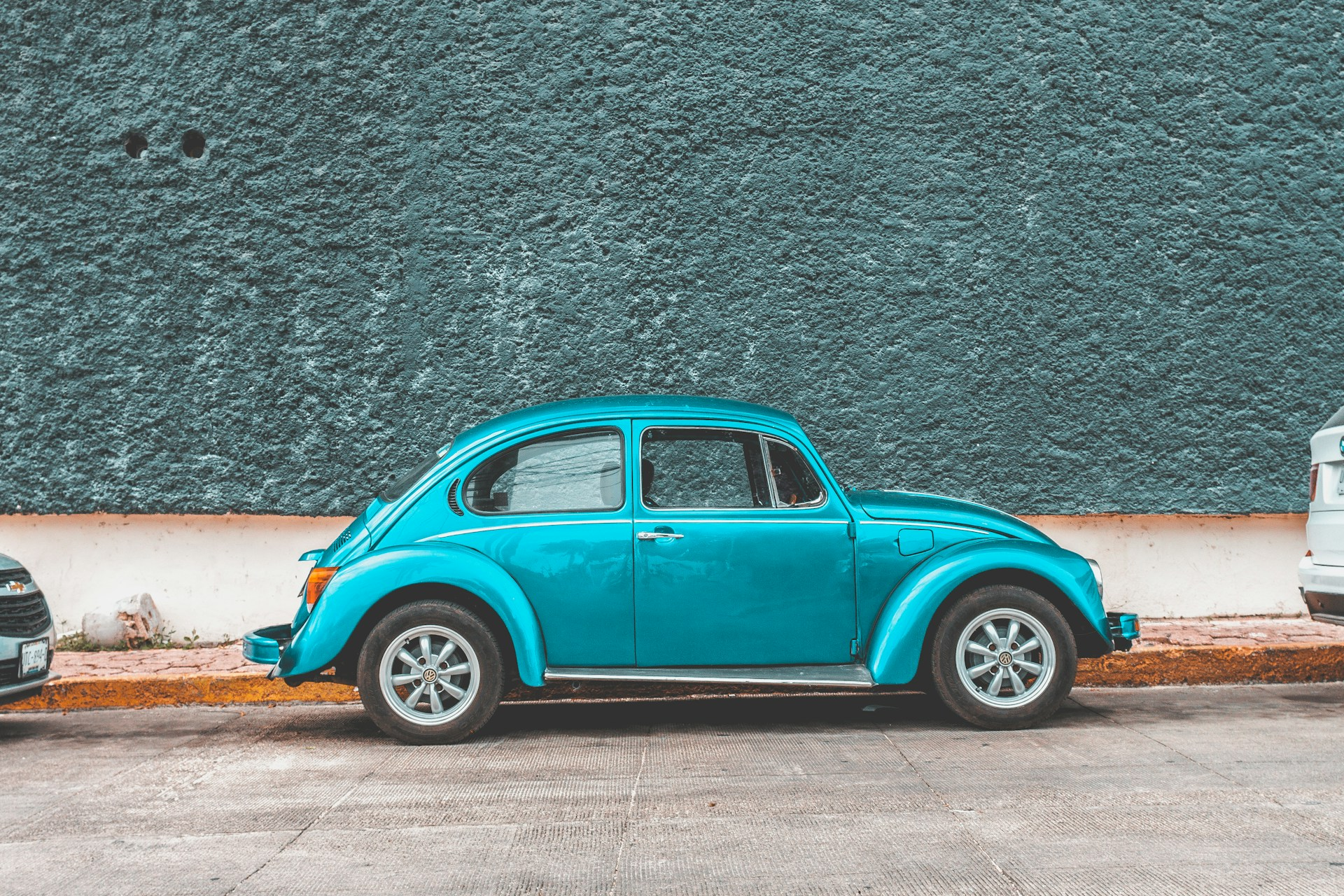
Relocating to Spain often means bringing your personal belongings with you — and for many people, that includes their car. Spain allows vehicle imports from both EU and non‑EU countries, but the process differs depending on your situation. The most important distinction is whether you’re importing the car as part of a change of residence or as a regular import.
Taxes You Normally Pay When Importing a Car
If you import a vehicle without applying the change of residence exemption, you may face:
- IVA (Value Added Tax) — typically 21%
- Customs duties — usually around 10% for non‑EU vehicles
- Matriculation tax (Impuesto de Matriculación) — 0% to 14.75% depending on CO₂ emissions
- Registration fees at the DGT
These costs can add up quickly, especially for newer or high‑value vehicles.
The Change of Residence Rule: How to Avoid IVA and Customs
Spain offers a generous tax exemption for people relocating from abroad. If you meet the requirements, you can import your car without paying IVA or customs duties, and in many cases, you can also avoid the matriculation tax.
To qualify, you must generally show:
- You lived outside Spain for at least 12 consecutive months.
- You owned and used the vehicle for at least 6 months before moving.
- The car is for personal use, not commercial.
- You import it within 12 months of becoming a resident in Spain.
- You agree not to sell or transfer the vehicle for 12 months after import.
When these conditions are met, the vehicle is treated as part of your personal belongings — not a taxable import.
The DUA: Your Customs Declaration
The DUA (Documento Único Administrativo) is the customs declaration required for all vehicle imports. It confirms:
- The origin of the vehicle
- Applicable taxes (or exemptions)
- Legal entry into Spain
If you qualify for the change of residence exemption, the DUA will show 0% IVA and 0% customs duties.
ITV: Technical Inspection Before Registration
Before you can register the car in Spain, it must pass the ITV (Inspección Técnica de Vehículos).
During the ITV for imported vehicles, inspectors verify:
- Vehicle identity (VIN, make, model)
- Compliance with safety and environmental standards
- Modifications or non‑EU specifications
You’ll receive a Ficha Técnica Española, which is required for registration.
Documentation You’ll Need
To complete the process, prepare:
- Passport or ID
- Proof of residency in Spain (empadronamiento)
- Proof of previous residence abroad
- Original vehicle registration documents
- Purchase invoice or proof of ownership
- Insurance
- DUA (with exemption if applicable)
- ITV certificate
Having everything ready speeds up the process significantly.
Final Step: Matriculation at the DGT
Once customs and ITV are complete, you can register the vehicle with the DGT. You’ll receive:
- Spanish registration number
- Permiso de Circulación
- New Spanish plates
If you qualify for the change of residence exemption, the matriculation tax may also be waived, depending on your circumstances.
Ready to Relocate? We Can Handle the Entire Process for You
Importing a car into Spain can feel overwhelming — but it doesn’t have to be. Our team helps new residents navigate customs, tax exemptions, ITV, and DGT registration smoothly and efficiently.
Get in touch today to make your move to Spain stress‑free and fully compliant.